Full-Service Plumbing Services: Understanding Your Plumbing Service Needs
Comprehensive plumbing services play a crucial role in preserving the integrity of a home's plumbing system. These services encompass detecting common issues, performing regular maintenance, and upgrading essential fixtures. By examining individual needs, plumbing professionals can provide specialized solutions that not only tackle current problems but also avert future complications. Grasping these aspects can result in notable improvements in performance and safety. What are the common plumbing concerns that homeowners frequently overlook?
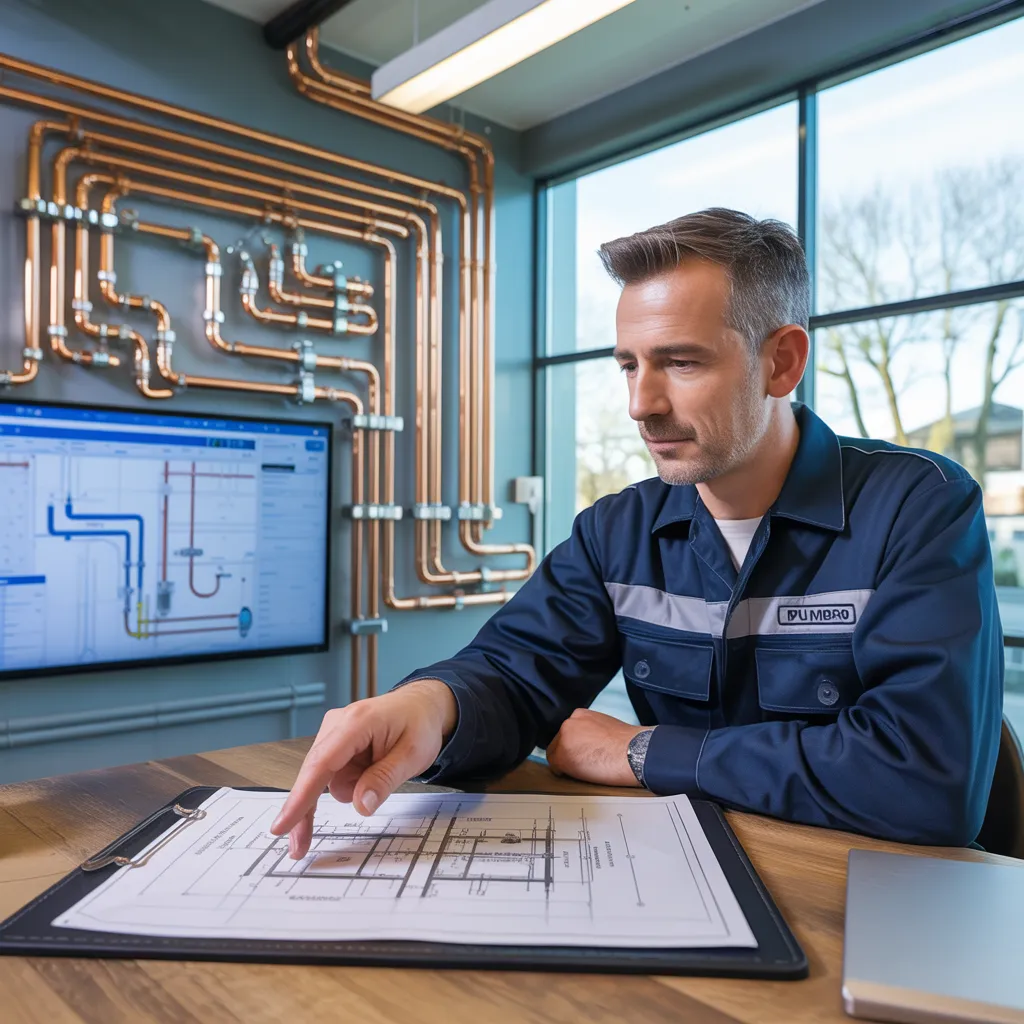
Understanding Common Plumbing Problems
While many homeowners may overlook the critical nature of their plumbing systems, recognizing common plumbing issues is vital for maintaining a functional home. Regular problems include leaks, clogs, and low water pressure, each of which can lead to more serious complications if not handled promptly. Leaky faucets and pipes can result in water waste, causing higher utility bills and potential water damage. Clogs in sinks or toilets often result from accumulated debris, leading to slow drainage or complete blockages. Low water pressure can result from various factors, including pipe corrosion or municipal supply issues, impacting daily activities. Additionally, homeowners may experience issues with their water heater, such as inconsistent temperatures or strange noises. Identifying these issues early can save time and money, promoting a better understanding of when professional plumbing assistance is essential. Understanding of these common plumbing problems prepares homeowners to take preemptive measures in their maintenance efforts.
Why Routine Maintenance Is Essential
How often do homeowners consider the impact of regular plumbing maintenance on their overall home functionality? Numerous underestimate its importance, often resulting in costly repairs and inconveniences. Regular maintenance assists in identifying potential concerns before they escalate, guaranteeing that plumbing systems operate efficiently. Routine inspections can identify leaks, corrosion, and blockages, which, if left unaddressed, can undermine the integrity of the entire plumbing system.
Additionally, routine servicing can increase the life expectancy of plumbing systems, sparing homeowners money over time. It also promotes water conservation, decreasing utility bills and environmental impact. Ongoing maintenance cultivates peace of mind, as homeowners can feel certain that their plumbing systems are in excellent condition. Overall, prioritizing plumbing maintenance is a proactive approach that not only safeguards a home's infrastructure but also increases its general value and livability.
Emergency Plumbing Assistance: When You Should Act
When should homeowners seek emergency plumbing services? Prompt response is critical when encountering major leaks, ruptured pipes, or overflowing toilets. These situations can result in significant water damage and create dangers for health and safety. Property owners must also obtain emergency services if they experience a sewer backup, as this can cause hazardous conditions and need prompt attention.
Another critical scenario involves the sudden loss of hot water, specifically in colder months, which can interrupt daily routines and comfort. Furthermore, if a plumbing issue occurs outside of regular business hours, postponing repairs may aggravate the issue.
Homeowners ought to determine the severity and potential effects of the plumbing concern. If there is any uncertainty, it is best to err on the side of caution and contact emergency plumbing services, ensuring that the issue is managed swiftly and professionally. Being proactive can avoid further complications and costly repairs down the line.
Enhancing Fixtures and Appliances
Improving fixtures and appliances can significantly boost a residence's functionality and aesthetic appeal, especially when considering energy-efficient options. Homeowners often find that modern fixtures, such as faucets, showerheads, and toilets, can improve water flow and lower overall consumption. These upgrades not only contribute to a more pleasant living environment but also support sustainability.
Additionally, replacing outdated appliances like dishwashers and washing machines with modern models can produce notable savings on utility bills. Several today's appliances are created with advanced technology that improves performance while minimizing energy and water consumption.
Furthermore, picking stylish fixtures can improve the design of kitchens and bathrooms, making them more appealing spaces. For those looking to increase their home's value, upgrading these crucial elements is a strategic investment. All things considered, well-planned upgrades can deliver both short-term benefits and long-term savings, making them a smart consideration for any homeowner.
Eco-Friendly Plumbing Alternatives
Environmentally friendly plumbing solutions are growing more important in today's home design. Green material options and water conservation practices not only lower environmental impact but also increase efficiency. These practices demonstrate a growing pledge to sustainability in the plumbing industry.
Environmentally Responsible Resource Options
More and more homeowners and businesses are turning to sustainable material choices for plumbing solutions, understanding the environmental perks and long-term cost savings they provide. Environmentally friendly materials such as PEX (cross-linked polyethylene) and reclaimed copper are becoming more and more popular. PEX is light in weight, impervious to corrosion, and requires less energy to produce compared to conventional materials. Reclaimed copper not only minimizes waste but also maintains durability and efficiency. Additionally, biodegradable pipe insulation and low-VOC (volatile organic compounds) adhesives support healthier indoor environments. By opting for these sustainable choices, property owners can considerably reduce their carbon footprint while guaranteeing reliable plumbing systems. Adopting such materials reflects a commitment to sustainability and responsible resource management in the plumbing industry.
Strategies for Water Conservation
Though many residents aim to lower their water consumption, establishing successful water conservation techniques in plumbing systems can generate substantial savings and environmental benefits. One common method is the installation of low-flow fixtures, like faucets, showerheads, and toilets, which significantly lower water use without reducing performance. Moreover, utilizing dual-flush toilets permits users to select from different flush volumes, further limiting unnecessary water waste. Rainwater capture systems can serve as an eco-friendly solution, capturing and storing rainwater for irrigation or non-potable uses. Ongoing servicing, comprising fixing leaks and checking for pipe deterioration, maintains plumbing systems work efficiently. By implementing these strategies, homeowners support sustainable living while reducing their water bills.
Picking the Right Plumbing Professional
How does one make certain they are picking the appropriate plumbing specialist? To make an informed choice, homeowners should begin by checking credentials and licenses. A qualified plumber will possess the required qualifications to confirm compliance with local regulations. Additionally, obtaining recommendations from friends or family can provide helpful insights into a plumber's reliability and reputation.
Web-based testimonials and reviews similarly provide beneficial resources for measuring past service quality. Following the creation of a shortlist, it is prudent to seek quotations from different professionals to assess pricing and offerings. Engaging in direct communication can help gauge a plumber's knowledge and willingness to address specific concerns.
Lastly, verifying insurance coverage safeguards from potential liabilities while performing the job. By adhering to these steps, one can confidently choose a plumbing professional who fulfills their needs and ensures satisfactory service.
Frequently Asked Questions
What Are Ways to Identify Hidden Plumbing Leaks in My House?
To detect hidden plumbing leaks, homeowners should regularly review water bills for suspicious increases, inspect walls and ceilings for dampness, listen for dripping sounds, and make use of moisture meters or hire professionals for detailed assessments.
What Are the Warning Signs I Require a Comprehensive Plumbing System Renovation?
Indicators of a complete plumbing system overhaul include persistent leaks, low water pressure, discolored water, persistent clogs, and lingering odors. Furthermore, aging pipes and constant repairs can indicate the need for a full replacement.
What's the Recommended Frequency for Inspecting My Plumbing for Issues?
Professionals suggest inspecting plumbing systems at least once a year. Routine inspections aid in discovering possible problems early, avoiding expensive fixes and maintaining maximum efficiency. Homeowners should stay alert for leaks, deterioration, and abnormal pressure fluctuations.
Can I Take Care of Minor Plumbing Repairs Myself, or Do I Need a Professional?
People can often take care of minor plumbing repairs on their own if they own basic tools and understanding. However, for more advanced issues or doubts, hiring a professional plumber is wise to stop potential damage or complications.
What Are the Costs Associated With Installing New Plumbing Fixtures?
Costs linked to installing new plumbing fixtures typically fall between $100 to $2,500, based on the type of fixture, installation complexity, and local labor rates, along make a move with materials and potential additional plumbing work needed.